How To Find $500 Round-Trip Flights To Europe For Summer

A summer trip to Europe does not have to begin with a $1,200 airfare search and sticker shock. You can still build a budget European vacation that feels comfortable and fun, but you have to plan the route differently. The trick is knowing where airlines charge extra, where travelers overspend, and where flexibility saves money without making the trip feel cheap.
Start With The Cheapest Doorway Into Europe
The lowest fare to Europe is often not your final destination. A cheaper gateway city can save you hundreds on your flight costs before the trip even begins.
Gateway Cities Are Where Lower Fares Usually Appear
Most people search for flights from their home airport directly to the exact city they want. That is often the most expensive version of the trip. If you want $500 flights to Europe, start with gateway cities like London, Dublin, Lisbon, Madrid, or Reykjavik. These airports get heavy traffic from North America, so competition keeps prices lower.
A round-trip ticket from Boston or New York to London can still cost around $450 to $550 in summer. Search the same dates for Florence or Dubrovnik, and you may see $900 or more.
Split The Trip Into Two Tickets
This is where flight hacking in Europe becomes practical. First, book the cheapest long-haul ticket to a gateway city. Then book a short, separate flight to your real destination. Budget airlines such as Ryanair, EasyJet, and Wizz Air often sell one-way seats for $40 to $100 if you book early enough and keep baggage simple.
A $480 round-trip flight to Lisbon plus a $65 flight to Rome can cost far less than one $950 round-trip ticket to Rome from the start.
There is one clear risk. Separate tickets mean separate responsibility. If your first flight lands late and you miss the second one, the second airline does not have to help.
One Overnight Stop Can Save The Whole Plan
Trying to make a tight same-day connection is where people get burned. I would rather spend $100 to $150 on a room in Lisbon or Dublin than lose a cheap onward ticket and start the trip stressed out. One overnight stay gives you Breathing room and protects your savings.
Timing Is About Dates, Not Just Booking Early
Cheap fares are not just about how far ahead you book. The exact days you fly can change the price more than most travelers expect.
Summer Fares Have A Better Booking Window
People say book early as if that solves everything. It does not. Booking nearly a year in advance can leave you paying higher prices because airlines haven't started promoting better fare sales yet. For many summer routes, the better window is around three to five months before departure.

Midweek Flights And Shoulder Dates Matter More
The day you fly often matters more than the month you book. A Tuesday or Wednesday departure can knock $150 to $200 off a round-trip ticket compared with a Friday or Saturday departure. The first part of June and the final stretch of August also tend to be cheaper than the middle of July.
A few small shifts can change the full price:
- Depart midweek instead of the weekend
- Check early June and late August first
- Keep the return flexible by two or three days
That is often enough to turn an impossible fare into an affordable summer flight.
Most Travelers Lose Money After The Flight
Saving on airfare means very little if you overspend the moment you land. Small daily choices usually decide whether the trip stays affordable.
Tourist Areas Charge More For Almost Everything
A lot of people save on airfare, then quietly blow the difference near famous landmarks. If you are eating within sight of the Eiffel Tower or the Colosseum, you are probably paying inflated prices. A coffee can cost $8 to $10, and a basic lunch can hit $20 or more. Walk ten minutes away, and those same items often drop by half.
If every menu is translated into five languages and there are pictures of every dish, the bill usually does more work than the food.
Food Can Stay Good Without Getting Expensive
You do not need a stripped-down food plan to keep costs under control. In many European cities, breakfast from a grocery store costs less than $5 per person. Bread, fruit, yogurt, and coffee will do the job. Save your sit-down spending for lunch or dinner.
A practical daily food range for many cities looks like this:
- Breakfast, $4 to $6
- Lunch, $12 to $18
- Dinner, $15 to $25
That keeps total daily food spending around $35 to $50 for one person.
The Room Rate Is Not The Whole Accommodation Cost
A lower nightly rate does not always mean better value. Location, transport costs, and time spent commuting can quietly make a cheap room more expensive.
A Cheaper Hotel Can Cost More In Real Life
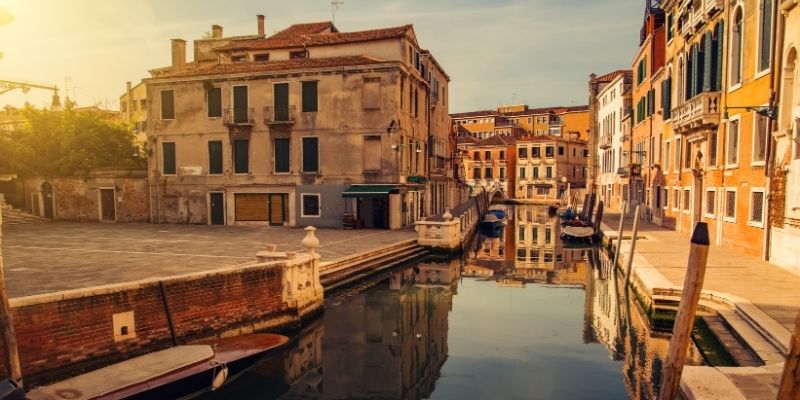
A hotel far from the center may look like a bargain at first. Then you spend $30 a day on transport and lose time getting in and out. A smaller room in a good neighborhood often works better.
In Rome, staying somewhere like Trastevere can save time and transport costs because you can walk so much of the city.
Guesthouses And Apartments Usually Stretch The Budget Better
Big hotel chains bring familiarity, but local guesthouses often cost much less. In summer, a central chain hotel in a major city can easily run $250 a night. A simpler guesthouse may cost around $13- $180. For groups, an apartment can be even smarter.
Getting Around Without Wasting Money
Transport can stay cheap if you plan it right. Public transit and advance train bookings usually save far more than last-minute rides and tickets.
Public Transit Usually Beats Cars
Taxis and rideshares add up fast in Europe, and in many big cities, they are slower than the metro anyway. In London, Paris, Madrid, and Berlin, a transit pass often costs less than two short car rides. Local transport usually falls in the $5 to $12 per day range when using passes or stored-value cards.
Trains Reward Advance Booking
This is one area where early booking really helps. High-speed train tickets in Italy or Spain can cost $20 to $35 if booked a few weeks ahead, but that same seat may jump to $60 or $90 if you wait until the day of travel.
What To Book First For The Best Savings
The first thing to book is the long-haul flight into a gateway city, because that sets the frame for the whole budget. Keep your onward flight or train flexible by a day or two, since that is often where extra savings appear. Put your money into location, local food, and the parts of the trip you will remember, not into a polished room you barely see. That is how a budget European vacation stays affordable without feeling cheap.